
New Worlds 2025
Meet The Speakers
Dr. Philip Metzger Dir. Stephen Hawking Microgravity Institute
Dr. Philip Metzger is a planetary physicist and research professor at the University of Central Florida, where he directs the Stephen W. Hawking Center for Microgravity Research and Education. With over 30 years at NASA, he co-founded the KSC Swamp Works and led groundbreaking work in rocket blast effects, lunar mining, and planetary surface technologies. Metzger’s innovations include lunar ice extraction and regolith conveyance systems. He’s a recipient of NASA’s Silver Achievement Medal and the astronaut’s Silver Snoopy award, and Asteroid 36329 Philmetzger was named in his honor.
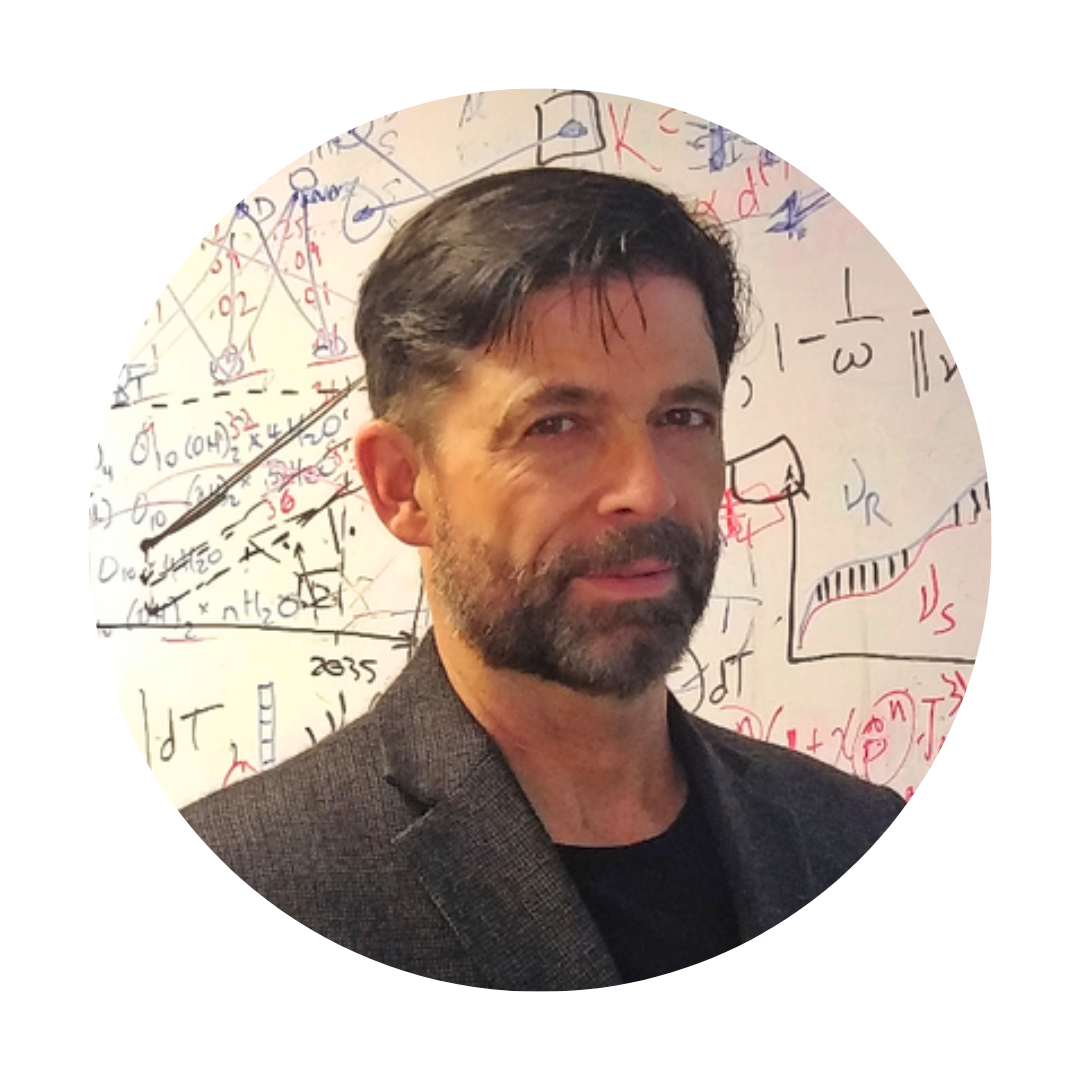
Dr. Joel Mozer First Chief Scientist - Space Force
Dr. Joel B. Mozer is the Director of Science, Technology, and Research for the United States Space Force, serving as the principal advisor on all scientific and technical matters across the organization. With over 30 years of experience in space science, engineering, and national defense, he has led pioneering work in space control, remote sensing, and experimental satellite development. Previously Chief Scientist of Air Force Space Command and Lead Space Experimentalist at AFRL, Dr. Mozer is a physicist and futurist whose current research explores human-machine teaming for strategic advantage.
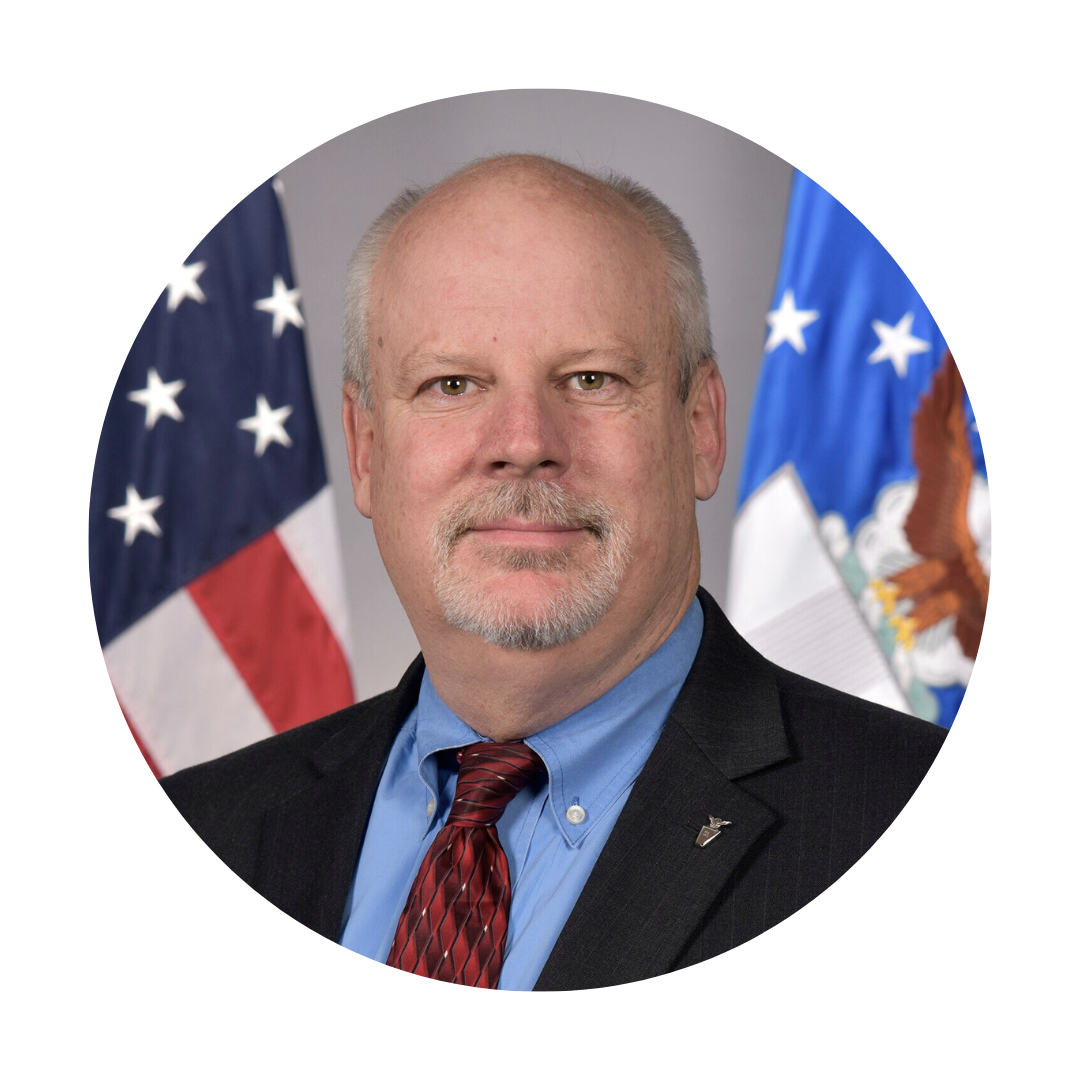
Kimberly Washington CEO - Deep Space Biology, Founder Girls in Space Club
Kimberly Washington is a visionary entrepreneur and philanthropist with over two decades of experience leading global ventures at the intersection of space, AI, and biotechnology. She is the Co-Founder and CEO of Deep Space Biology, where she spearheads Yotta, a pioneering AI platform built on decades of NASA microgravity research to accelerate healthcare breakthroughs in collaboration with institutions such as the Mayo Clinic, MD Anderson and KAUST. Under her leadership, DSB has been recognized as a NASA GeneLab Success Story, winner of the Care in Space Global Challenge, one of StartUs Insights’ Top 10 SpaceTech startups and CODEX Worlds Top 50 Innovators. Kimberly also founded Space4Girls, a global nonprofit empowering young women in STEM & Space through mentorship and hands-on learning, and co-founded the Global Impact Club in the UK. A sought-after thought leader, she speaks at premier global forums including the UNGA Leaders on Purpose, the World Economic Forum, LEAP, and Mobile World Congress. She is a proud Board Member of Generation AI, Reuben College/University of Oxford, BioAstra, Leaders on Purpose, Instream Energy and Countdown for a Cure.

Zaheer Ali COO of Positon Inc., Managing Partner at New Space Finance, and Professor of Practice at Thunderbird School of Global Management
Zaheer Ali is a physicist, technologist, and educator working at the intersection of space systems, AI, and quantum science. He serves as Program Director for Space Commercialization & Strategy at the University of Central Florida and is a partner at Space Outcomes LLC and NewSpace Finance. A former NASA scientist and senior manager at USRA, Ali led instrumentation and global deployments for SOFIA and co-founded the National Center for Nuclear Security. He holds patents, an R&D100 Award, and has authored over 40 publications. His work blends Eastern and Western thought with indigenous wisdom.
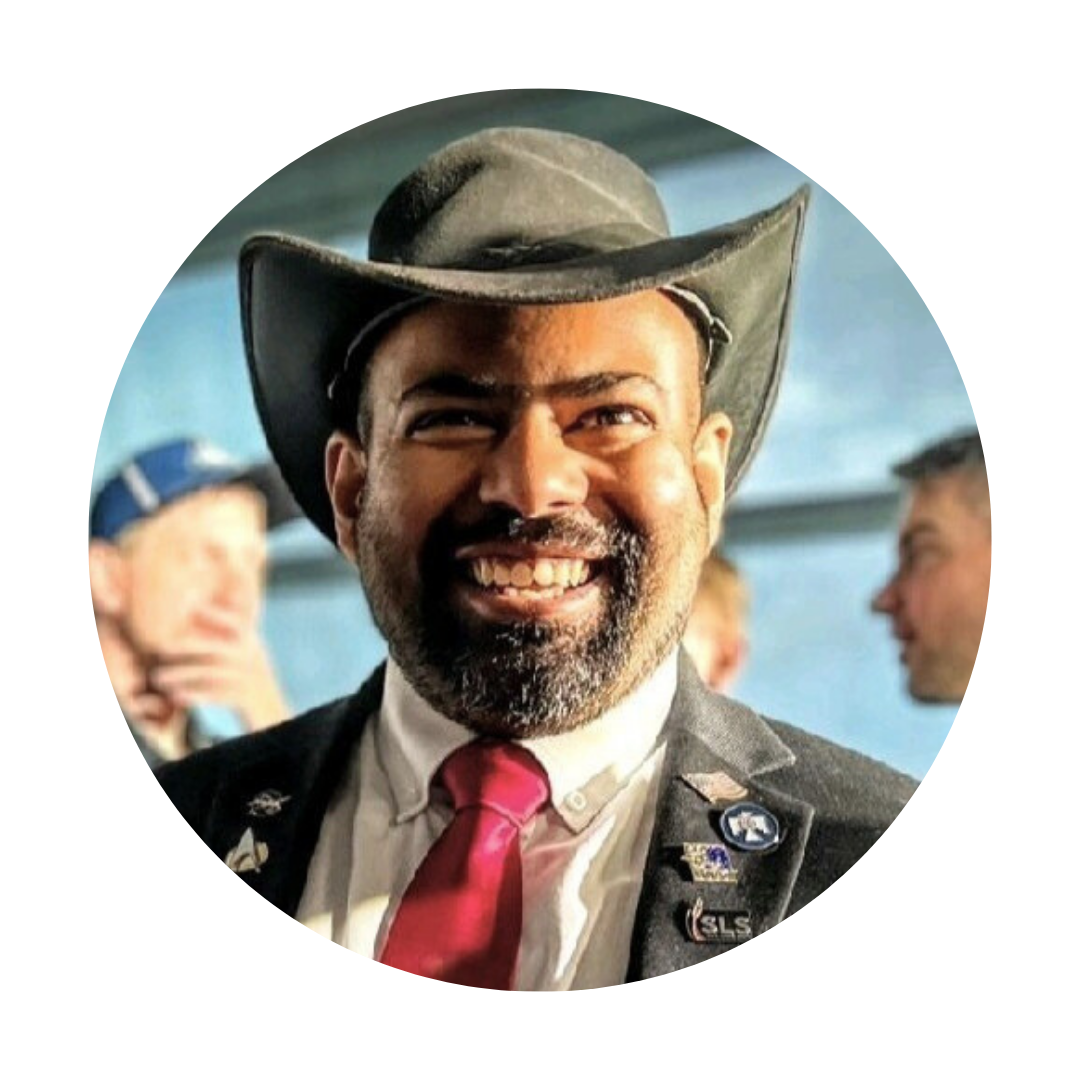
Greg Autry Space "Czar" University of Central Florida
Greg Autry is a space policy expert, educator, and entrepreneur dedicated to advancing commercial space development. He serves as Director of the Thunderbird Initiative for Space Leadership, Policy, and Business at Arizona State University and is a former White House liaison at NASA. Autry was nominated as Chief Financial Officer of NASA and previously taught space entrepreneurship at USC. He has advised government agencies, startups, and Fortune 500 companies on space strategy and innovation. A vocal advocate for lunar exploration and space sustainability, Autry co-authored Death by China and frequently contributes to publications like Forbes and SpaceNews. He holds a Ph.D. in policy and economics from UC Irvine and has testified before Congress on space commercialization. With a passion for empowering the next generation of space leaders, Autry bridges the gap between public policy and private enterprise to shape humanity’s future beyond Earth.

Caris Baker Astrocrow Game Studio
Caris Baker is a multidisciplinary technical artist, educator, and innovator whose work bridges gaming, virtual reality, and artificial intelligence. A Full Sail University Hall of Fame inductee, she has contributed to Unity Technologies' AI division, designing synthetic datasets to train computer vision models. Her previous role at Walter P Moore involved developing VR tools for the architecture, engineering, and construction industries, transforming CAD workflows into immersive Unity experiences. Caris is also known for her indie game development, including the arcade release Throwback: Jai-Alai Heroes, and her illustration brand, Caris Captures. She actively mentors aspiring developers, serves on advisory committees, and speaks at conferences like GDC, where she champions the use of game design skills in non-gaming industries. Her work has earned her a place in the Walter Day Collection of Video Game and Pinball Trading Cards, recognizing her impact on global gaming culture.

Sheryl Barbosa Founder, Sustain Cities Network, Climate and Sustainability Strategist
Sheryl Barbosa is a 20-year environmental scientist, sustainability strategist, and keynote speaker helping industries, from grassroots nonprofits to Fortune 50 corporations, future-proof their companies by giving Mother Earth a seat at the table. She has worked with organizations across many sectors including the U.S. Department of Energy, Pinterest, Clemson University, and the Department of Defense. A recent graduate of the prestigious Nasdaq Entrepreneurial Center’s Milestone Makers program, Sheryl brings a rare perspective to aerospace, defense, and aviation by positioning sustainability not as a constraint, but as the foundation of progress.
Known for her warm, grounded presence and electrifying delivery, Sheryl challenges audiences to see Earth not as a launchpad to abandon, but as our greatest partner in reaching the stars.

Howard Bloom Author "Sexual Cosmos"
Howard Bloom of the Howard Bloom Institute has been called the Einstein, Newton, Darwin, and Freud of the 21st century by Britain's Channel 4 TV. Bloom's new book is The Case of the Sexual Cosmos: Everything You Know About Nature is Wrong. Says Harvard's Ellen Langer of The Case of the Sexual Cosmos, Bloom "argues that we are not savaging the earth as some would have it, but instead are growing the cosmos. A fascinating read." One of Bloom's eight previous books--Global Brain---was the subject of a symposium thrown by the Office of the Secretary of Defense including representatives from the State Department, the Energy Department, DARPA, IBM, and MIT. Bloom's work has been published in The Washington Post, The Wall Street Journal, Wired, Psychology Today, and the Scientific American. Not to mention in scientific journals like Biosystems, New Ideas in Psychology, and PhysicaPlus.

Dave Brody Media maker, Magellan TV/ Space.com
Dave Brody writes and directs space-themed non-fiction television, currently creating original documentaries for MagellanTV.com (streaming) and SpaceRip (YouTube). Dave has presented space and science stories on NBC’s Today Show, CNN, BBC, Discovery, MSNBC, NPR, Fox News, and CNBC. Brody was Executive Producer at Space.com constructing astronomy software multimedia (Starry NightÔ & Deep Space ExplorerÔ), hosting space experts and conducting hands-on consumer tech and telescope reviews. Brody was Supervising Producer of Original Programs at Syfy / USA Networks where he ran the weekly show “Inside Space,” producing 192 half-hour episodes, plus specials and live space news events. Brody was Advisor to the Space Frontier Foundation and the XPrize. Dave’s a proud Senior Associate of the Space Studies Institute, a Founding Member of the Mars Society and Life Member of National Space Society. Brody is a graduate of the New York Institute of Technology. Follow Dave on X, Threads and Bluesky @DavidSkyBrody.
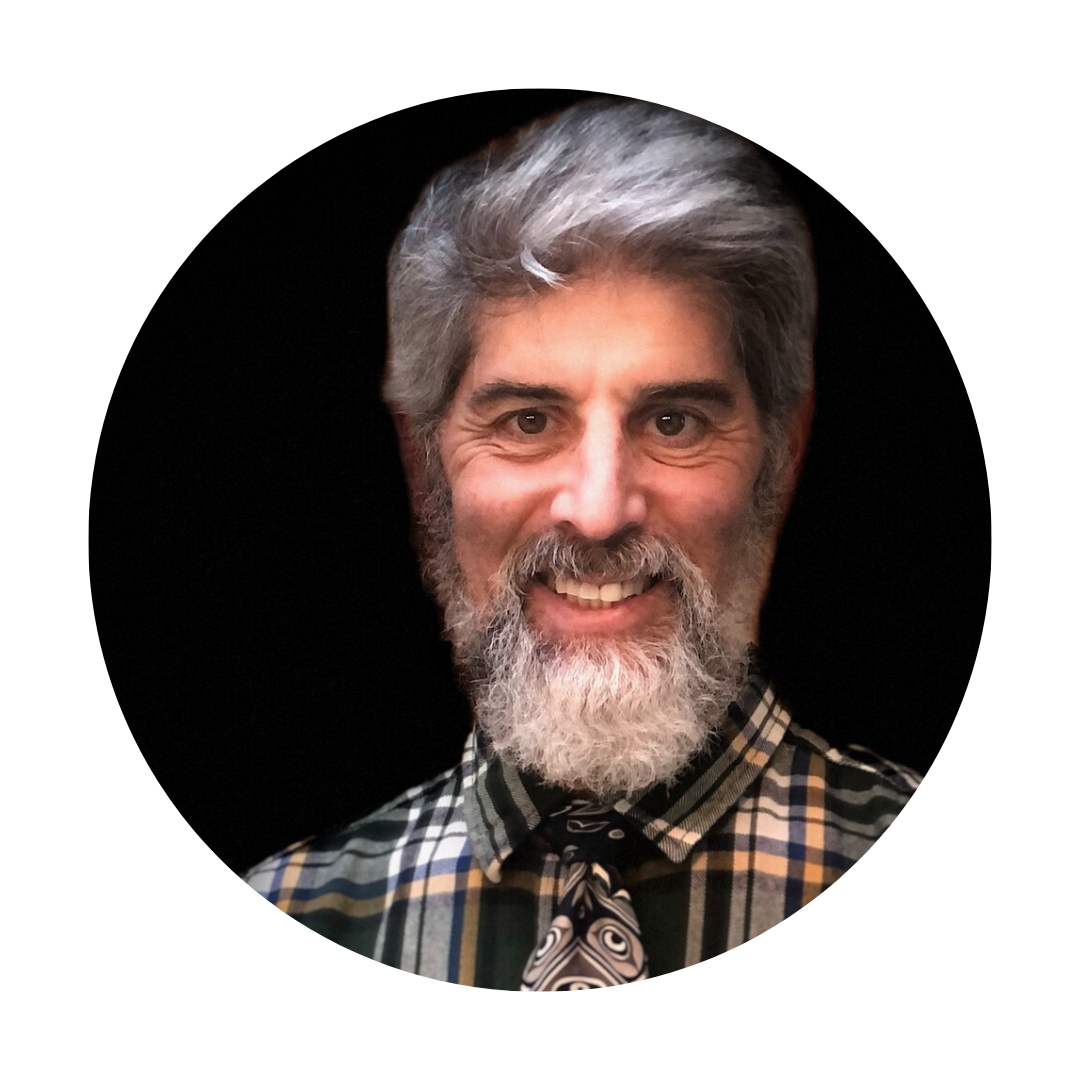
Michael Castle-Miller Founder of Lunar Development Cooperative
Michael Castle-Miller is the Founder of the Lunar Development Institute and concept creator behind the Lunar Development Cooperative. He is also a Senior Advisor at DGA-Albright Stonebridge Group and leads the organization’s work on special economic zones. Mr. Castle-Miller works across all regions, specializing in the design of legal and administrative frameworks to govern SEZs, cities, and semi-autonomous regions. He has advised clients in over 35 countries to help draft laws and regulations, create administrative agencies, develop policies, and structure public-private partnerships. Previously, Mr. Castle-Miller was a Partner and Practice Lead at DGA-Albright Stonebridge Group. He also led Politas Consulting and was consultant at the World Bank. Mr. Castle-Miller earned his J.D. summa cum laude from the American University Washington College of Law and an M.A. in International Politics from American University, School of International Service.

Dr. Greg Chamitoff NASA Astronaut
Dr. Greg Chamitoff is a former NASA astronaut, engineer, and professor with a distinguished career in space exploration and education. He flew aboard Space Shuttle Endeavour and spent over six months on the International Space Station, participating in two long-duration missions and conducting spacewalks to assemble and maintain the orbiting laboratory. Chamitoff holds degrees in electrical engineering, aeronautics, and planetary science from institutions including Caltech and MIT. After retiring from NASA, he joined Texas A&M University and later the University of Texas at Austin, where he leads initiatives in space systems engineering and planetary sustainability. He is the founder of AstroPlanetview and co-founder of the Genesis Engineering Solutions Lunar Habitat project. Passionate about inspiring future explorers, Chamitoff integrates robotics, AI, and immersive technologies into STEM education. His work continues to shape the future of human spaceflight and planetary settlement.
Ubaldo Ciminieri Chief of Staff Cislunar Industries
Ubaldo Ciminieri is a strategic communicator, entrepreneur, and advocate for workforce development and innovation. He is the founder of InterviewIA, a platform that leverages AI to improve hiring equity and decision-making, and has worked extensively in talent acquisition, employer branding, and DEI initiatives. With a background in media production and public speaking, Ubaldo blends storytelling with data-driven insights to help organizations build inclusive, future-ready teams. He’s a frequent speaker at HR and tech conferences, known for challenging conventional hiring practices and promoting ethical AI use. Passionate about empowering underrepresented communities, Ubaldo also mentors startups and contributes to thought leadership in the future of work.

Sam Coniglio Author "Creature Comforts in Space"
Samuel Coniglio is a book author, space futurist, technical writer, photographer, inventor, and private space industry advocate. He is a board member and former Vice President of the Space Tourism Society. Since 1996, he has been researching and prototyping domestic concepts to make life easier in space. His Zero Gravity Cocktail Glass concept won international acclaim and re-invents how to drink liquids in microgravity. In the 1990’s, Samuel worked for McDonnell Douglas (now Boeing) on the Space Shuttle, International Space Station, and the historic Delta Clipper Experimental (DC-X) reusable rocket program. In 2004, he helped run logistics for the XPRIZE Team film crew during the SpaceShipOne flights. He is involved with the National Space Society, Space Frontier Foundation, and Yuri’s Night. Samuel’s new book, “Creature Comforts in Space,” is a guide for designers to create an enjoyable and sustainable off-world lifestyle for humans onboard the next generation space stations.

Ari Eisenstat Futurist Instructor, University of Hawaii
Ari Eisenstat is a futurist, entrepreneur, and policy innovator focused on advancing ethical technology and inclusive innovation. He is the founder of Dream Ventures, a social impact accelerator supporting startups that align profit with purpose, and has advised governments and organizations on emerging tech, sustainability, and youth empowerment. Ari served as a policy advisor in the U.S. Senate on science and technology issues and has worked with the United Nations on global development initiatives. A passionate advocate for responsible AI and space ethics, he speaks at international forums including the World Economic Forum and SXSW. Ari also mentors young changemakers through programs like the UN SDSN Youth and Singularity University. With a background in economics and international relations, he bridges public policy, entrepreneurship, and global collaboration to shape a more equitable future.
Dr Katherine Freese Dir. Weinberg Inst. Theoretical Physics, UT Austin
Katherine Freese is the Director of the Weinberg Institute for Theoretical Physics and the Kodosky Endowed Chair of Physics at the University of Texas, Austin. She is also Guest Professor at Stockholm Univ.ersity She works on a wide range of topics in theoretical
cosmology and astroparticle physics. She has been working to identify the dark matter and dark energy that permeate the universe as well as to build a successful model for the early universe immediately after the Big Bang. Freese has been very active in public outreach, including TV, radio, and public lectures and panels. She is the author of a book The Cosmic Cocktail: Three Parts Dark Matter. Freese is a Member of the National Academy of Sciences, and was awarded the Lilienfeld Prize from the American Physical Society in 2019 “For ground-breaking research at the interface of cosmology and particle physics, and her tireless efforts to communicate the excitement of physics to the general public.

Morgan Goodwin Exective Director, Planetary Sunshade Foundation
Morgan runs the Planetary Sunshade Foundation where he advances the world’s understanding of how space can help address climate change. Morgan has fought for a livable climate his entire career, from student activism to global climate summits to local policy. As the Mayor of Truckee, CA he passed a 100% clean energy commitment, and leading the Sierra Club’s LA work he got the city to phase out oil drilling. Through that work, Morgan’s realized that cutting emissions alone is not enough. He has also organized makers, engineers and artists across disciplines, creating Truckee’s thriving makerspace and running a Burning Man camp. Now he’s putting all that experience together, teaming up with aerospace engineers and climate scientists to unlock the next big step in cooling the earth.

Ben Haldeman Founder - LifeShip
Ben is the founder of LifeShip, a community-powered space movement on a mission to spread life to the stars. LifeShip’s first mission is a seed bank on the Moon; containing a DNA biobank, plant seeds, and message from humanity. LifeShip offers consumer products for people to send their DNA and story to space. Ben was an early engineer at Planet where he designed the camera used on hundreds of satellites to record our changing Earth. Ben previously built a network of dozens of robotic telescopes to find new exoplanets and instruments to look for life on Mars.
Robert Katz Founder - World Innovation Network
Robert Katz is a seasoned aerospace executive and strategic advisor with a deep commitment to advancing space commercialization and innovation. He has held leadership roles across NASA, industry, and academia, focusing on program development, technology integration, and public-private partnerships. Katz played a key role in shaping initiatives that support lunar exploration, in-situ resource utilization, and sustainable space infrastructure. He has collaborated with startups, federal agencies, and international partners to accelerate the transition from government-led missions to a thriving commercial space economy. Known for his systems thinking and cross-sector expertise, Katz frequently speaks on space policy, workforce development, and the ethical implications of emerging technologies. His work helps bridge the gap between visionary space goals and practical implementation, empowering the next generation of explorers and entrepreneurs.

Jonathan Knowles Exploration director NASA/ESA
Jonathan Knowles is a futurist, strategist, and global thought leader who explores the intersection of emerging technologies, human potential, and planetary sustainability. He has served as Director of Strategic Initiatives at Autodesk, where he led innovation programs in synthetic biology, space exploration, and advanced manufacturing. Knowles advises NASA, the White House, and Fortune 500 companies on long-term planning and systems thinking, and has collaborated with institutions like Singularity University and the SETI Institute. With a background in design, science, and storytelling, he connects diverse disciplines to inspire bold visions for the future. He’s a frequent speaker at TEDx, SXSW, and global summits, known for catalyzing conversations around ethics, exponential change, and interplanetary civilization. Passionate about education and mentorship, Knowles empowers the next generation of leaders to imagine and build a thriving future for all life on Earth—and beyond.

Julia Kurokhtina Founder - UCreators Foundation
Julia Kurokhtina is a multidisciplinary innovator, strategist, and advocate for ethical technology and global collaboration. With a background in international relations, systems design, and emerging tech, she works at the intersection of policy, education, and space innovation. Julia has contributed to initiatives with the United Nations, the European Space Agency, and various global think tanks, focusing on sustainability, digital equity, and the future of work. She is a frequent speaker at international forums, where she champions inclusive leadership and responsible innovation. Passionate about empowering youth and underrepresented communities, Julia mentors aspiring changemakers and helps shape programs that bridge science, society, and storytelling. Her work reflects a commitment to building resilient systems and fostering cross-cultural dialogue in an increasingly interconnected world.

Rachel Lyons Founder - EarthRise Leadership
Rachel Lyons is a speaker, activist, and nonprofit leader dedicated to expanding access to space and empowering global changemakers. She served as Executive Director of Space for Humanity, a nonprofit working to democratize space travel and cultivate planetary stewardship through the Overview Effect. With a background in economics and social impact, Rachel has spoken at TEDx, SXSW, and the United Nations, inspiring audiences to reimagine humanity’s role in the cosmos. She’s passionate about leveraging space as a tool for unity, perspective, and transformation. Prior to her work in space advocacy, Rachel was active in youth leadership and mindfulness education, blending science with personal development. Her mission is to ensure that space exploration benefits all of humanity, fostering a more compassionate and interconnected world.

Dr Tom Markusic Co-Founder - Firefly
Dr. Tom Markusic is a pioneering aerospace engineer and entrepreneur best known as the founder and former CEO of Firefly Aerospace, a company developing small and medium launch vehicles for commercial and government missions. With a Ph.D. in physics and a career spanning NASA, SpaceX, Blue Origin, and Virgin Galactic, Markusic has played a key role in advancing propulsion systems and launch technologies. At Firefly, he led the development of the Alpha rocket and promoted cost-effective access to space. His work focuses on democratizing space and enabling lunar and deep space missions through innovative engineering. A passionate advocate for space commercialization, Markusic blends technical expertise with visionary leadership to shape the future of orbital infrastructure and exploration.

Maj. Gen. John Olson U.S. Space Force
Maj. Gen. John E. Olson is a senior leader in the United States Space Force, serving as the Mobilization Assistant to the Chief of Space Operations. With a distinguished career spanning the Air Force and Space Force, he has held key roles in space operations, technology development, and international partnerships. Olson previously served as Chief Data Officer for the Department of the Air Force and led initiatives in advanced analytics, AI, and digital transformation. A former NASA flight test engineer and White House Fellow, he holds multiple advanced degrees in engineering and national security. Olson is a vocal advocate for space domain awareness, resilience, and global cooperation in space. His leadership helps shape the strategic vision of U.S. space capabilities and fosters innovation across military and civilian sectors.
Ayse Oren Architect
Ayse Oren is an architect, designer, and sculptor with expertise in electronics and design, emphasizing the integration of human life into her projects. She advocates for the fusion of underground architecture and culture with modularity to potentially establish standardization in space architecture. Inspired by historical cave architecture, she applies these principles to future space habitation with a unified and academic approach.

Doug Owens Space Outcomes
Doug Owens is a visionary strategist and co-founder of Space Outcomes LLC, where he helps shape the future of space commercialization, workforce development, and global collaboration. With a background in leadership, innovation, and systems thinking, Doug brings decades of experience across public and private sectors to support organizations navigating the rapidly evolving space economy. His work focuses on building resilient ecosystems that connect space technology with real-world impact, emphasizing ethical innovation and inclusive growth. At Space Outcomes, Doug leads initiatives that empower startups, governments, and educational institutions to align space exploration with sustainable development goals. He is a frequent speaker and advisor on topics ranging from space ethics to interplanetary infrastructure, and he champions cross-disciplinary approaches to solving complex challenges. Passionate about mentoring the next generation of space leaders, Doug’s mission is to ensure that humanity’s expansion into space benefits all people and preserves the future of our planet.

Kunal Patel Indienomicon Foundation
Kunal Patel is a dynamic entrepreneur, strategist, and advocate for innovation across space, technology, and global development. With a background in engineering and business, he has led initiatives that bridge public policy, emerging tech, and commercial enterprise. Patel has worked with startups, government agencies, and international organizations to advance sustainable space infrastructure, inclusive innovation, and ethical AI. He’s a frequent speaker at global forums, championing cross-sector collaboration and systems thinking to address complex planetary challenges. Passionate about empowering future leaders, Patel mentors young entrepreneurs and contributes to programs that foster diversity and resilience in the tech ecosystem.

Michael Runnels Assistant Prof. Business Law Cali State University
Michael B. Runnels is an Associate Professor of Business Law at California State University, Los Angeles, where he teaches Business Law to undergraduate students. Previously, he was an Associate Professor of Law & Social Responsibility at Loyola University Maryland, where he taught Business Law and Business Ethics to undergraduate and graduate students. He received his B.A. from the University of Georgia, during which he studied abroad at the University of Oxford, England, and received his J.D. from the Fordham University School of Law. His current stream of publications contribute to the development of legal frameworks concerning the environmental and regulatory challenges of the commercial satellite industry in Low Earth Orbit, aiming to ensure the sustainability of Earth orbits for private and government use. These publications address the challenges of orbital debris and propose legislative amendments to align U.S. regulations with the obligations of the Outer Space Treaty.
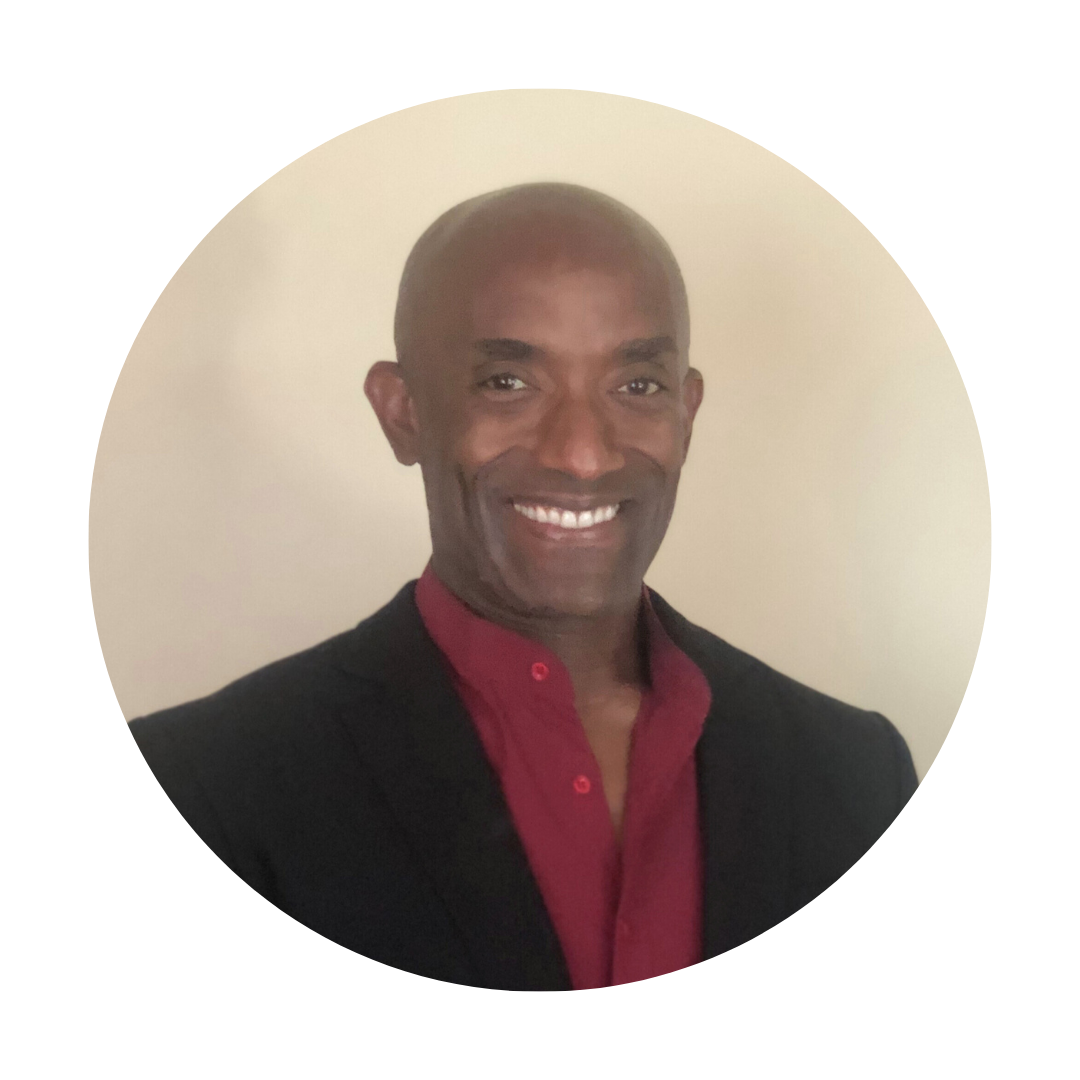
Angelica Sirotin Founder - Serotin Intelligence
Angelica Sirotin is Founder of Sirotin Intelligence, an exclusive space intel community featuring insights from space entrepreneurs, current/former DARPA, DoD, NASA, NATO, and global space organizations. As CEO of Sirotin Ventures (Best Market Research & Benchmarking Specialists 2025), she delivers strategic communications and market analysis for enterprises and funds. She is also Director of Strategy & Communications at Quantum Trek, a firm that deploys Quantum Re-Engineering™️ to transform existing systems with quantum math to achieve 100X ROI across defense, space, energy, finance, and logistics sectors. Her track record includes co-founding Alpine Esports (acquired top-10 NA Rocket League team) and Shapley Technologies (AI esports analytics). She's Executive Producer and Product Placement Executive at Angelic Pictures (Universal Studios vendor-affiliate), producing the Space Samurai Trilogy (Fall 2025). She received the National Academy of Future Scientists and Technologists Award (2017); She holds a BA-Q in Quantitative Economics from the University of Minnesota.

Guillermo Sohnlein Author "Titan Unfinished" and Founder of Humans2Venus Foundation
GUILLERMO A.M. SÖHNLEIN is the founder and Chairman of the Humans2Venus Foundation, which supports Venus science and education programs with a long-term vision of establishing a permanent human presence in the Venusian atmosphere. He is also the author of Titan Unfinished: An Untold Story of Exploration, Innovation, and the OceanGate Tragedy. He is an explorer, entrepreneur, investor, and philanthropist with a particular passion for space, oceans, and sustainability. Over the course of a twenty-five-year entrepreneurial career, Guillermo has helped launch over a dozen for-profit ventures and nonprofit organizations. His space-related startups include the International Association of Space Entrepreneurs in 2003, Space Angels Network in 2006, OceanGate in 2009, the Sea-Space Initiative in 2011, Ansible Space Communications Systems in 2014, the Humans2Venus Foundation in 2020, Space Bridge Partners in 2023, and Gaia Venture Studios in 2024. He enjoys sharing his experiences with others as an advisor, mentor, board member, teacher, and speaker. Guillermo earned his AB in economics from the University of California at Berkeley and his JD from the University of California San Francisco College of the Law. He served as an officer in the United States Marine Corps and was admitted to The Explorers Club in 2012. Born in Buenos Aires, he was raised in Silicon Valley and currently resides in Barcelona. He is the proud father of three grown children.
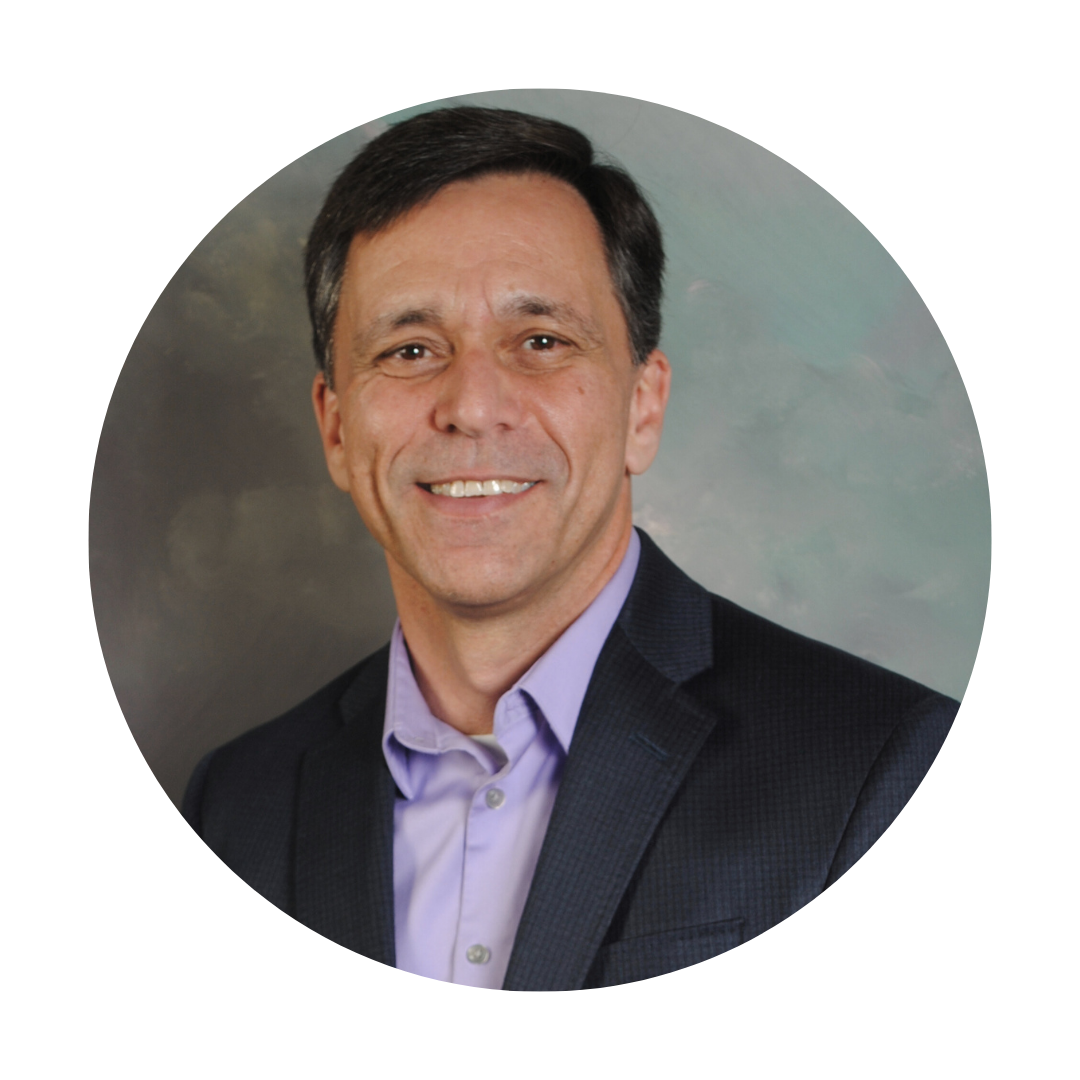
Akash Sud Musician, Founder higher Prana
Akash, a CPA with an MBA in Finance, completed more than 40 technology M&A deals before burnout redirected his path toward healing. Over the next decade, he devoted nearly 10,000 hours to mastering chord progressions, sound engineering, and meditation. During the pandemic, he secluded himself in Colorado, producing music and drone-based nature therapy videos that quickly grew his YouTube channel to 50,000+ subscribers. From this journey, Akash founded Higher Prana, a virtual reality company creating immersive wellness experiences that combine music, meditation, and nature therapy. By merging electro-acoustic soundscapes with ultra-high-resolution VR, Higher Prana is pioneering tools to enhance human focus, cognition, and resilience. Akash’s work reflects his conviction that the future of wellness and performance lies in strengthening the mental and physical health of individuals through immersive technologies.

Bryan Talebi Founder, Ahura AI
Bryan Talebi is a visionary entrepreneur, technologist, and educator dedicated to transforming how people learn and grow. He is the founder and CEO of Ahura AI, a company that leverages artificial intelligence to personalize education and unlock human potential. With a background in astrophysics and experience at companies like Oracle and SpaceX, Talebi blends deep technical expertise with a passion for social impact. He has spoken at global forums including the United Nations and the World Economic Forum, advocating for ethical AI and equitable access to education. Bryan’s journey—from refugee to tech founder—fuels his commitment to empowering underserved communities and reimagining the future of work. His work spans neuroscience, machine learning, and behavioral science, aiming to create tools that adapt to individual learning styles and accelerate personal development. Talebi’s mission is to democratize knowledge and build a world where everyone can thrive through lifelong learning.
Geoff Tudor Co-Founder SWIFT
Geoff Tudor is the President and Co-Founder of SWIFT (Space Workforce Incubator for Texas), a nonprofit organization dedicated to building a robust and inclusive space workforce across the state of Texas. With a mission to unite educational institutions, industry leaders, and student rocket teams, Geoff leads SWIFT in creating hands-on opportunities that prepare the next generation of aerospace professionals. Under his leadership, SWIFT launched the Rocket Program, awarding grants to university teams and fostering collaboration across high schools, colleges, and research institutions. Geoff’s vision positions Texas as a global leader in space workforce development, aiming to fill 50% of new U.S. space industry jobs through strategic training and mentorship. He is a passionate advocate for eliminating duplication, maximizing resources, and unleashing untapped talent in a sector experiencing exponential growth.

Leon Vanstone Co-Founder SWIFT
Dr. Leon Vanstone is the Co-Founder and Executive Director of SWIFT (Space Workforce Incubator for Texas), a nonprofit organization dedicated to building the future space workforce through hands-on education, industry collaboration, and strategic investment in student rocket teams. With a Ph.D. in aerospace engineering and a background in advanced propulsion systems, Leon brings deep technical expertise and a passion for mentorship to his leadership at SWIFT. He has worked across academia, startups, and government, including roles at NASA and in commercial space ventures. At SWIFT, Leon leads efforts to unite Texas universities, high schools, and industry partners to create a pipeline of skilled talent ready to meet the demands of the growing space economy. A dynamic speaker and advocate for accessible STEM education, Leon is committed to making space careers achievable for all students and positioning Texas as a global leader in aerospace innovation.

Heather Wagner Reed Founder, CEO of Juice Consulting
Heather Wagner Reed is a seasoned communications strategist, entrepreneur, and advocate for creative expression and community impact. She is the founder of Juice Consulting, a Houston-based firm that specializes in public relations, branding, and strategic marketing for artists, nonprofits, and mission-driven organizations. With a background in music industry management and arts promotion, Heather has worked with clients ranging from Grammy-winning musicians to cultural institutions and tech startups. Her career began at Warner Bros. Records in Los Angeles, where she supported global artists and developed expertise in entertainment marketing. Passionate about empowering creatives and amplifying diverse voices, Heather also serves on advisory boards and mentors emerging talent. She’s a frequent speaker on topics like brand storytelling, media strategy, and cultural entrepreneurship. Through Juice Consulting, Heather continues to energize projects that blend innovation, artistry, and social good, helping clients make a lasting impact in their communities and industries.

Frank White Author "Over View Effect"
Frank White is an educator, writer, and communications consultant. He has authored or coauthored numerous books on topics ranging from space exploration to artificial intelligence to Zen Buddhism. His best-known work is The Overview Effect: Space Exploration and Human Evolution. He is the co-founder, president, and board chair of The Human Space Program, Inc. He is also curator of Spacetech and AI information for Intro-act. https://www.humanspaceprogram.org frankwhiteauthor.com
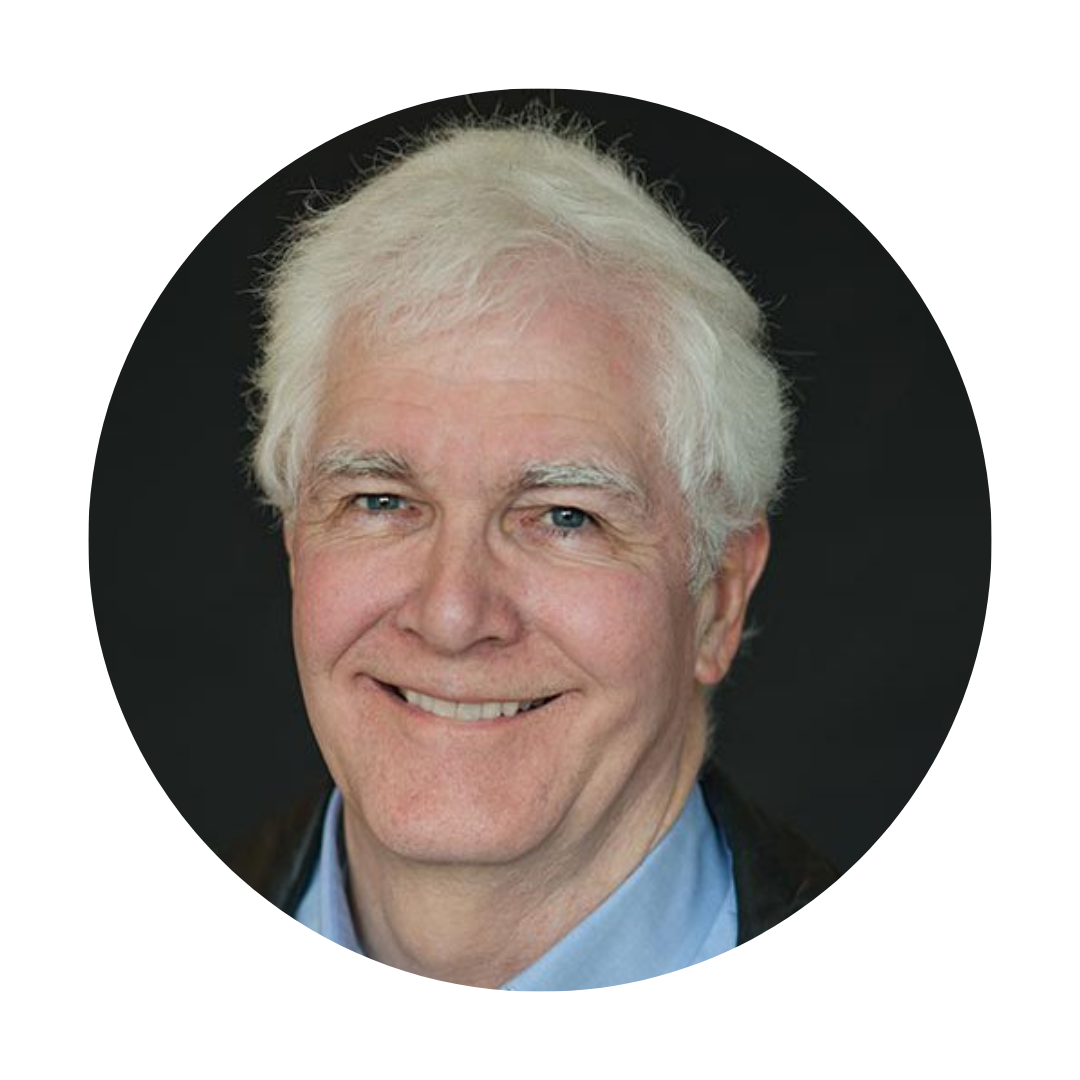
Dr. Robert Zubrin Founder - Mars Society, Author - Mars Direct
Dr. Robert Zubrin is an aerospace engineer, author, and visionary best known as the founder and president of the Mars Society, an organization dedicated to promoting human exploration and settlement of Mars. With a Ph.D. in nuclear engineering and a career spanning NASA and private industry, Zubrin has pioneered mission architectures that make Mars exploration more feasible and cost-effective. He is the creator of the Mars Direct plan, which proposes using local resources to sustain human missions, and has authored influential books including The Case for Mars and The Case for Space. Through the Mars Society, Zubrin leads global advocacy, research, and analog missions that prepare humanity for interplanetary life. A passionate speaker and policy influencer, he champions space as a frontier for innovation, survival, and human progress. His work continues to inspire scientists, students, and explorers to turn the dream of a human presence on Mars into reality.

Junaid Mian Director - EarthLight Foundation
Junaid Mian is a pharmacist, entrepreneur, and investor. Mr. Mian views the emerging space economy as an engine of economic growth and a driver of human healthspan. In pursuit of this vision, Mr. Mian became an early investor in Axiom Space and several notable Newspace startups. Junaid is constantly on the look for the next best biotech startup, whether it be terrestrial or space-based.

Negar Feher CEO - Orbital X
Negar Feher is the Chief Executive Officer of Orbital Outpost X (OOX), a Silicon Valley space technology startup pioneering modular infrastructure for orbital habitats and terrestrial applications. With over 20 years of leadership experience at aerospace giants like Lockheed Martin, Maxar, Momentus, and SpaceRyde, Feher is known for scaling startups into commercial success and forging strategic partnerships. At OOX, she leads the development of AI-powered, additively manufactured components for space stations and fuel depots, emphasizing rapid production, universal interfaces, and XR simulation. Her vision centers on democratizing access to space by reducing costs and standardizing technologies—such as the Secure Quick Connect Interface Device (SQuID)—to streamline data, fluid, and power transfer. Feher’s approach blends technical rigor with customer-centric innovation, positioning OOX as a catalyst for the next wave of space commercialization and metaverse integration.

Matt Gialach Founder/CEO AstroForge
Matt Gialich is the Co-Founder and CEO of AstroForge, a pioneering space startup focused on asteroid mining and unlocking platinum group metals from deep space. With a background in avionics and flight software, Gialich previously led engineering teams at Virgin Orbit and Bird, where he oversaw the development of advanced vehicle systems and software platforms. At AstroForge, he’s driving a bold vision to reduce Earth’s reliance on terrestrial mining by extracting critical minerals from asteroids—developing spacecraft at a fraction of traditional satellite costs. Founded in 2022, AstroForge aims to revolutionize the space economy by creating sustainable supply chains for rare metals, with Gialich at the helm of its technical and strategic roadmap. His leadership blends deep engineering expertise with entrepreneurial grit, positioning AstroForge as a key player in the future of off-world resource extraction.
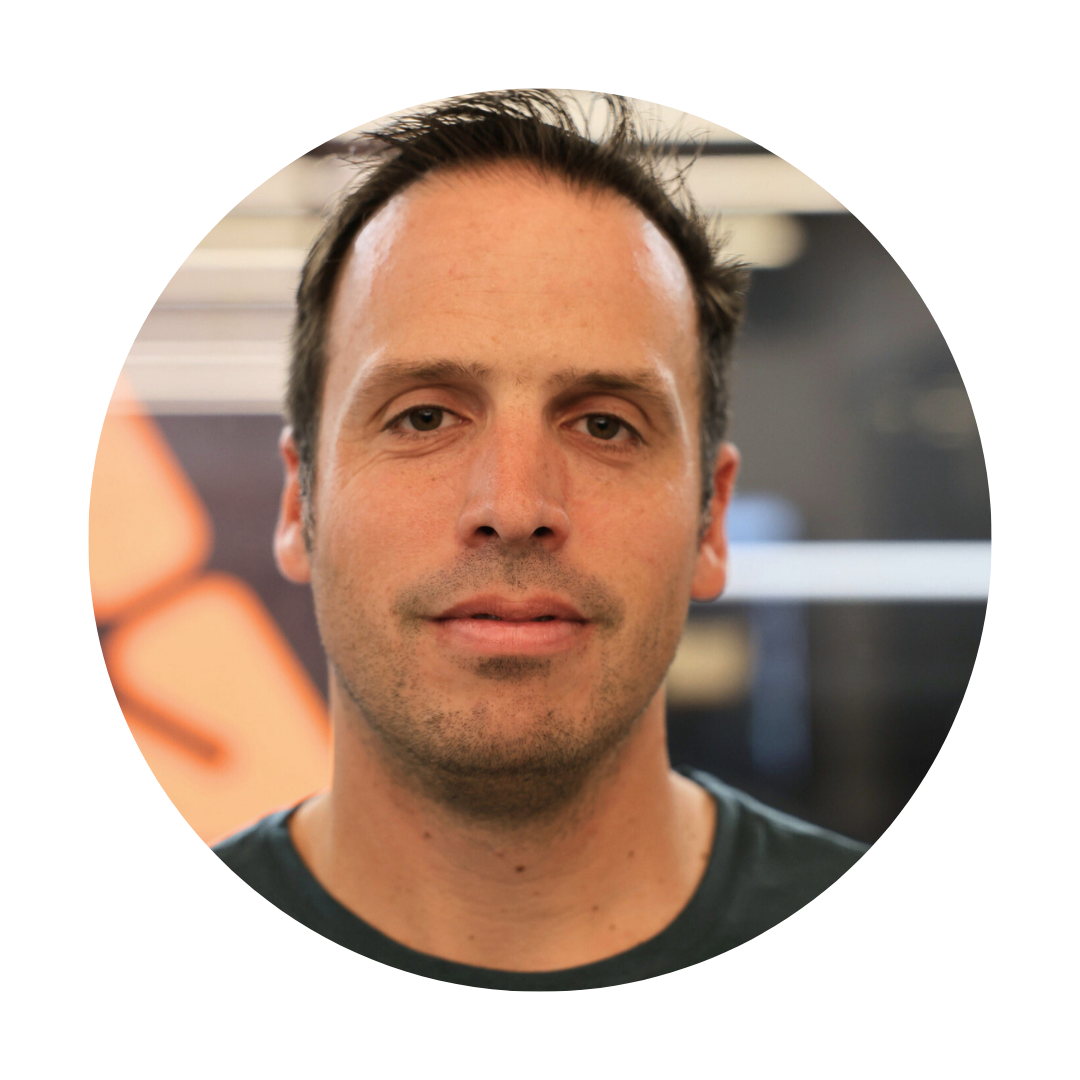
Chris Jannette Co-Founder - BlackStar
Christopher “CJ” Jannette is the Co-Founder and CEO of BlackStar Orbital, a space defense startup developing reusable “space drones” that launch like satellites and return like spaceplanes. With over 18 years in aerospace engineering, Jannette has contributed to missions including Falcon Heavy Demo-1, Artemis I, Crew Dragon, and lunar landers for Astrobotic and Intuitive Machines. His work spans spacecraft servicing, thermal protection systems for Starship, and hypergolic propellant operations at NASA and SpaceX. Under his leadership, BlackStar Orbital is building a $7.1 million spacecraft facility in Sierra Vista, Arizona, aiming to produce modular, high-performance vehicles for defense and commercial use. Jannette’s vision centers on rapid deployment, reusability, and hybrid architecture to redefine satellite capabilities and expand access to orbital infrastructure.
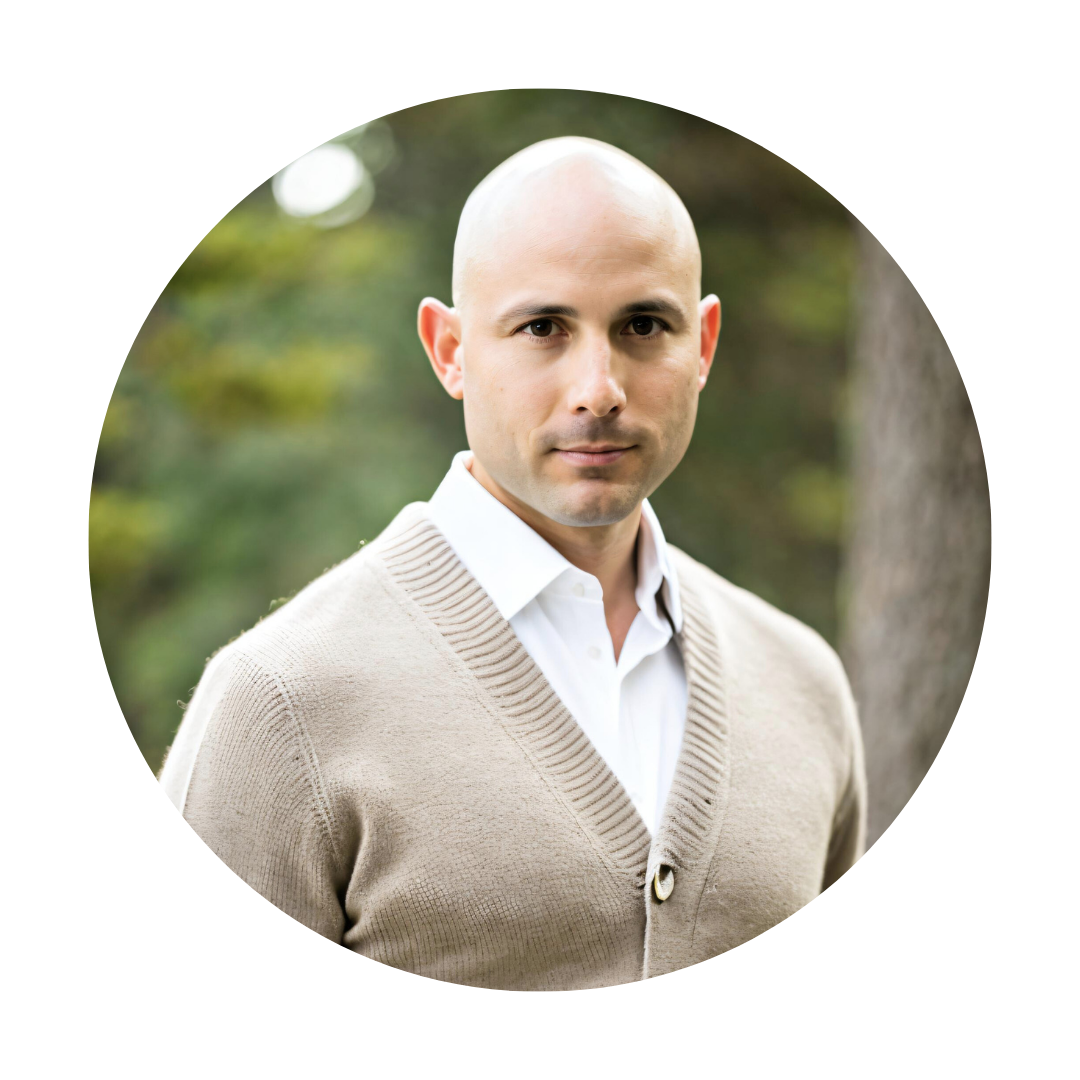
Worth Wray Chief Strategy Officer at Phantom Space Corporation
Worth Wray is the Chief Strategy Officer at Phantom Space, a full-stack space transportation and infrastructure company focused on mass-producing rockets and democratizing access to orbit. With a background in institutional capital and scaling infrastructure platforms, Wray works alongside CEO Jim Cantrell to drive Phantom’s growth through strategic partnerships, capital-efficient expansion, and long-term value creation. His leadership supports Phantom’s mission to build affordable, modular launch systems that enable a thriving space economy.

Lee Steinke Chief Operating Officer, CisLunar Industries
Lee Steinke is the Chief Operating Officer of CisLunar Industries, a venture-backed startup developing in-space metal processing and power conversion technologies to support emerging space capabilities. With executive experience across NASA, Space Force, DARPA, DIU, AFRL, and commercial ventures, she’s known for bridging technical innovation with strategic foresight. Steinke previously served as Interim COO of Orbit Fab and is a Partner at aerospace consultancy Elara Nova. Her leadership in the Space Futures Workshop helped shape national security perspectives on commercial space development. Before entering aerospace, she led major energy programs during the Shale Revolution, deploying capital across public and private sectors. A licensed geologist and TEDx speaker, she serves on advisory boards for Canopy Aerospace, Hyperspace Challenge, and the State of Colorado. Steinke holds degrees from UNC-Chapel Hill, Yale, and Wharton, and is an alumna of the U.S. Army War College National Security Seminar.

Mario Maggio Founder & CEO of Ambrosia Space
Mario Maggio is the Founder and CEO of Ambrosia Space Manufacturing Corporation, where he leads the development of next-generation life support systems and space manufacturing technologies. With a Master’s in Aerospace Engineering focused on Bioastronautics from the University of Colorado Boulder and a Bachelor’s from the University of Alabama, Maggio brings deep expertise in spacecraft environmental systems. Prior to founding Ambrosia Space, he served as a product team lead for N₂-O₂ pressure control systems and regenerable CO₂ scrubbers, contributing to critical life support infrastructure for crewed missions. His work emphasizes biocompatibility, modularity, and sustainability in space habitats, aiming to advance long-duration human presence beyond Earth. Maggio’s vision integrates aerospace engineering with practical innovation, positioning Ambrosia Space as a key player in the future of orbital and planetary habitation.

Rick Ward Founder & CTO of Orbit's Edge
Richard Ward is the Co-Founder and CTO of OrbitsEdge, a space technology company focused on edge computing in orbit. With a background in enterprise IT and systems architecture, Ward brings decades of experience in deploying ruggedized data solutions for extreme environments. At OrbitsEdge, he leads the development of satellite-mounted data centers that enable real-time processing of Earth observation, space science, and AI workloads—reducing latency and bandwidth constraints for space-based operations. His vision is to bring cloud-like capabilities to orbit, empowering researchers, defense agencies, and commercial operators with faster, smarter data access. Ward’s leadership bridges terrestrial infrastructure with orbital innovation, positioning OrbitsEdge as a key enabler of the future space economy.

Mike Simmons Founder of Astronomy for Equity
Mike Simmons has been a leader in astronomy outreach for over 50 years, sharing the sky with people around the world. He began in the 1970s with the Los Angeles Astronomical Society and Griffith Observatory, later founding the Mount Wilson Observatory Association. After leading international efforts—including trips to Iran and Iraq—he founded Astronomers Without Borders in 2006, uniting enthusiasts across 100+ countries. Today, Mike continues his mission through Astronomy for Equity, bringing science to underserved communities, and serves on boards including Dark Sky International and the African Astronomical Society. A writer and photographer, his work has appeared in Scientific American, Astronomy, and Sky & Telescope. Honors include the Clifford W. Holmes Award, the G. Bruce Blair Award, the Gabrielle and Camille Flammarion Prize, and Minor Planet Simmons (22294) named in his honor. Retired from a 36-year career at UCLA’s School of Medicine, he now focuses fully on global outreach, education, and inspiring the next generation of skywatchers.

Emily Collins Creator of Spaceborn
Emily L. Collins, is a pioneering filmmaker using regenerative AI to explore humanity’s next frontier;Space and consciousness. She is the creator of Spaceborn, the award winning short film about the first child born in outer space and the spiritual rebirth it sparks on Earth—now in development as a feature film. Emily’s path into filmmaking was anything but traditional. With no prior film background, she taught herself AI tools to bring a personal vision to life, proving that Hollywood-level stories can emerge from a laptop. Her journey reflects the same spirit that drives space exploration: curiosity, courage, and the belief that boundaries exist only to be crossed.
She now works with her organization Union Tribe to put the creator tools and mindset in everyone's hands and heads.

Ariane Nicole Fikki - VR/ARA Partnerships, Deputy VP of the Space Force Association-Southeast US
Ariane is an ecosystem architect and master convener advancing the future of AI, XR, and space innovation. She serves as Deputy Vice President for the U.S. Space Force Association (Southeast Region) and Head of Partnerships for the VR/AR Association (VRARA), forging alliances that connect defense, government, and emerging technology sectors.
Through her consulting company, Zero Zero One, Ariane develops commercialization and partnership strategies that bridge research, policy, and industry to accelerate dual-use innovation and future readiness. Her work includes collaborations with Holo-Light, TransformXD, and Neighborhood Legal Services of Michigan, integrating immersive design, secure XR streaming, and equitable access to technology.
Ariane serves on the core planning team for Nexplore 2040, a visionary initiative uniting academia, industry, and government to address NASA’s 187 technology shortfalls through coordinated innovation and public–private collaboration. She also leads efforts through the Florida House initiative, highlighting the region’s mission-critical role in the space domain—driving innovation, investment, and policy, including the 2026 Boots on the Moon campaign, which positions Florida as a launch pad for lunar-era leadership.
Her collaborations span UCF, UF, Research Institute partners, Space Florida, National Center for Simulation, Team Orlando, and her role as a Board Member for Orange Technical College’s MS Lab, supporting the next generation of innovators and skilled professionals. She advises the Altamonte Global Innovation Lab (AGIL) on smart city and digital infrastructure strategy and drives global participation in programs like XRWomen and the Academy of Immersive Arts and Sciences.
Ariane supports the global creator community through MIT Reality Hack, Indienomicon, and Unreal Orlando, empowering rapid prototyping and immersive innovation. She also serves on the core team for major cultural and technology events, including BitBasel’s Fingerprints of Humanity 2025 at the Historic Sagamore and Future of the Arts 2024, advancing dialogue at the intersection of innovation, humanity, and creative expression.
As a Chapter Leader of Space Happy Hour, Ariane fosters collaboration and connectivity across the commercial and defense space sectors. Beyond her professional achievements, she considers her greatest contribution to humanity to be as the mother of three boys, including her eldest—a dedicated active-duty Sergeant serving OCONUS.

Bryan Talebi Founder, Ahura AI
Bryan Talebi is a visionary entrepreneur, technologist, and educator dedicated to transforming how people learn and grow. He is the founder and CEO of Ahura AI, a company that leverages artificial intelligence to personalize education and unlock human potential. With a background in astrophysics and experience at companies like Oracle and SpaceX, Talebi blends deep technical expertise with a passion for social impact. He has spoken at global forums including the United Nations and the World Economic Forum, advocating for ethical AI and equitable access to education. Bryan’s journey—from refugee to tech founder—fuels his commitment to empowering underserved communities and reimagining the future of work. His work spans neuroscience, machine learning, and behavioral science, aiming to create tools that adapt to individual learning styles and accelerate personal development. Talebi’s mission is to democratize knowledge and build a world where everyone can thrive through lifelong learning.

Joel C. Sercel, PhD Founder & CEO, TransAstra Corporation
Dr. Joel Sercel is a Caltech-trained aerospace engineer, award-winning inventor, and founder of TransAstra—a venture-backed company pioneering asteroid mining and space logistics for both the private sector and national defense. With over $12 million raised in venture funding and more than $15 million in NASA and U.S. Space Force contracts, TransAstra is developing the technologies needed to open the solar system to industrial activity and settlement. A seven-time NASA Innovative Advanced Concepts (NIAC) Fellow and holder of more than twenty patents, Sercel’s breakthroughs include the Optical Mining™ process, the Omnivore thruster, and the Sutter telescope. His leadership has helped define a new model for fast, scalable innovation in space systems. An asteroid, (46308) Joel Sercel, bears his name in recognition of his contributions to advancing humanity’s expansion into the cosmos.

Nikki Krishnadatt Director of Business Development, ASSET Solutions, Inc.
Vice President, Space Force Association – Austin Chapter
Founder, MAVIS Foundation
Nikki Krishnadatt, MBA is Director of Business Development at ASSET Solutions, Inc., Vice President of the Space Force Association’s Austin Chapter, and founder of the MAVIS Foundation, a nonprofit empowering students for careers in space and semiconductor manufacturing. A Texas A&M MBA graduate, Nikki builds partnerships that connect industry, education, and innovation to strengthen America’s advanced technology workforce.

Scarlett Arana - Cofounder BitBasel
BitBasel is pioneering a new frontier — sending art to the moon. Its next lunar mission, AstroGLPH, will launch aboard the Astrobotic Griffin-1 lunar lander in 2026, using Nanofiche technology to permanently archive art beyond Earth’s boundaries.
In previous missions, BitBasel has sent works from Miami-based artists to the moon, cementing the city’s role in space and cultural history. This year, BitBasel curated 63 ocean conservation–themed artists for its latest lunar payload, merging environmental awareness with cosmic exploration. Every piece is authenticated and verified through BitBasel’s proprietary blockchain and lunar verification technologies, ensuring these creations are forever documented on the moon.
During BitBasel Miami Art Week 2025, attendees will have the chance to learn how to send their own art to the moon as part of the 2026 AstroGLPH mission. BitBasel will also unveil its secret vault of brand collaborations, celebrity artworks, and untold lunar stories that are soon to be on the moon.
The journey continues with the Sea & Space Summit on Thursday, December 4th, 2025, featuring NASA astronaut and artist Nicole Stott and Christina Korp, “The Astronaut Wrangler,” unveiling their exhibit Ocean Planet, a breathtaking exploration of the connection between the sea and space.
As the full moon rises that evening, BitBasel hosts the third edition of the legendary MOOON.PARTY, an immersive celebration fusing art, music, and technology — honoring humanity’s creative journey from ocean to orbit.

Mark Russell - Founder, CEO at Hyper Sciences
General Hypersonics Founder Chief Executive Officer - Mark led Crew Capsule development for Jeff Bezos’ Blue Origin human space company as employee #10. He holds a Master Degree in Aero/Astro Engineering from Stanford and is a National Fellow of The Explorers Club. Mark has successfully built General Hypersonics inc with major Industrial partners, NASA and now the DOD . He is now scaling up repetitive hypersonic technology for hypersonic space launch applications.

New Worlds & Space Cowboy Charity Ball, Proudly Presented By: